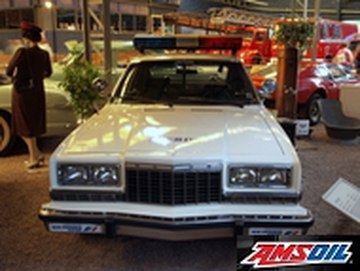
Engine Lubrication and Service for the 1981 Dodge DIPLOMAT 3.7L
Maintaining a vehicle from the early 1980s requires a shift in perspective compared to modern automotive care. For owners of a 1981 Dodge Diplomat equipped with the 3.7L engine, routine maintenance is not just about following a schedule; it is about monitoring the physical condition of aging components and ensuring that lubrication remains effective over time. Because mechanical systems change as they age, consistent observation is the most effective tool for preventing unexpected issues.
Monitoring Fluid Integrity and Consumption
One of the primary responsibilities in engine care is observing how the vehicle utilizes its lubricants. Over years of operation, changes in how an engine manages its oil can occur. It is helpful to monitor the level of the lubricant regularly to identify any unusual consumption patterns. If you notice that the level is dropping more frequently than expected between service intervals, this warrants a closer inspection.
When checking fluid levels, pay attention to the appearance and texture of the oil. While some discoloration is normal due to heat and use, significant changes in consistency or the presence of unusual debris can indicate that the lubricant is no longer performing its intended role. Furthermore, if you observe any signs of external seepage around the engine block or sealing surfaces, these should be investigated promptly. Identifying a small seep early can prevent more significant issues later on.
Systematic Inspection of Aging Components
As vehicles age, materials such as rubber and various gaskets may undergo changes in their physical properties. For a 1981 Dodge Diplomat, a proactive approach involves looking for signs of wear in the components that support engine operation. This does not mean replacing parts simply because they are old, but rather assessing their current state to prioritize necessary repairs.
During routine service, consider the following inspection points:
- Sealing Surfaces: Inspect various gaskets and seals for evidence of seepage or weeping.
- Hoses and Connections: If present, examine hoses for signs of cracking, softening, or bulging.
- Drive Belts: If the engine is equipped with accessible drive belts, check them for glazing, fraying, or surface cracks.
- Electrical Integrity: Inspect wiring and electrical connectors for signs of corrosion or brittle insulation.
By conducting these visual checks, an owner can distinguish between components that are functioning well and those that are beginning to show the effects of long-term use. This condition-based approach is often more efficient than following a rigid replacement schedule based solely on age.
Interpreting Potential Operational Changes
Drivers should remain attentive to how the vehicle behaves during operation. Mechanical systems communicate through various signals, and recognizing these early can be beneficial. It is important to remember that many symptoms can have multiple underlying causes, so a single observation should be treated as a prompt for investigation rather than a definitive diagnosis.
For example, an unusual noise coming from the engine compartment or a change in how the engine idles may indicate that something requires attention. Similarly, if you notice any changes in exhaust characteristics or evidence of overheating, these are significant indicators that the vehicle's operating environment is not within normal parameters. If a warning light or indicator appears on the dashboard, it should be addressed immediately to determine the source of the alert.
Establishing a Maintenance Baseline
For many owners of older vehicles, the complete service history may not be readily available. In these instances, the first priority is establishing a maintenance baseline. This involves performing a thorough inspection and documenting the current state of all fluids, filters, and major mechanical components.
Once you have a clear understanding of the vehicle's current condition, you can begin to track changes over time. Keeping detailed records of every oil change, filter replacement, and repair is invaluable. These records allow you to see patterns—such as how quickly a specific component wears or how often certain fluids need to be topped off. This data-driven approach transforms maintenance from a reactive task into a proactive strategy for long-term ownership.
Prioritizing Service Tasks
Effective maintenance is about managing resources and time by addressing the most critical needs first. Rather than attempting to address every minor imperfection at once, focus on the issues that impact the immediate health and reliability of the 3.7L engine. Active leaks, significant fluid consumption, or any symptoms that affect the vehicle's ability to run smoothly should always take precedence.
Distinguishing between preventive maintenance and unnecessary part replacement is a key skill for long-term owners. Preventive maintenance—such as changing oil and filters according to the appropriate schedule—is essential. However, replacing a component that is still in good working order simply because it has reached a certain age may not be the most efficient use of resources. Always base your maintenance decisions on the actual condition of the parts and the evidence provided by regular inspections.
Practical Advice for Buying Engine Oil for the 1981 Dodge DIPLOMAT 3.7L
When it is time to replenish your engine's lubricant, the most important step is ensuring that the product you select matches the specific requirements of your application. Because different engines and operating conditions require different formulations, you should not rely on general assumptions about what an older vehicle might need.
To ensure proper lubrication for your 1981 Dodge Diplomat 3.7L, match the engine oil to the application-specific viscosity information already displayed on this webpage. When shopping for products, carefully read the labels to verify that the oil meets the appropriate quality standards and certifications. Depending on your specific needs and the current condition of your engine, you may encounter various options, including conventional oils, synthetic blends, or full synthetic formulations. Some high-mileage oil formulations also contain additives intended for use in aging engines, including seal-conditioning additives. Always prioritize the viscosity and specifications listed in the application information provided here to ensure the best possible care for your engine.